THREAT ASSESSMENT: CRQC Cryptographic Collapse Timeline Accelerates Post-Quantum Migration Urgency
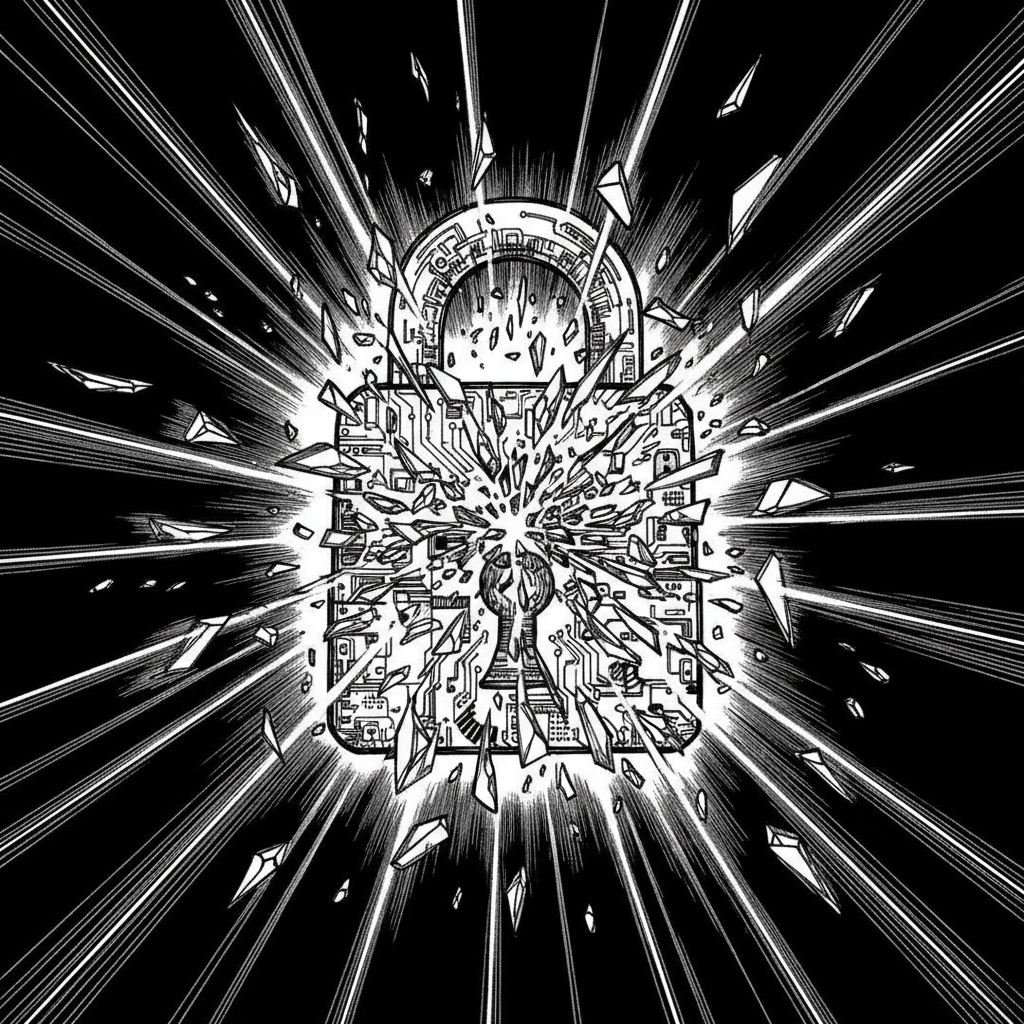
**Bottom Line Up Front:** Cryptographically Relevant Quantum Computers (CRQC) represent an existential threat to global cryptographic infrastructure, with current encryption methods becoming retrospectively vulnerable due to "harvest now, decrypt later" attacks. While CRQCs don't exist today, migration to quantum-resistant algorithms must begin immediately given the decade-long data lifecycle risks[1].
**Threat Identification:**
- Primary: CRQC-capable of breaking RSA, elliptic-curve cryptography via Shor's algorithm[2]
- Secondary: Weakening of symmetric encryption (Grover's algorithm reduces 128-bit keys to 64-bit equivalent)[3]
- Attack Vector: Retroactive decryption of intercepted encrypted data once CRQC becomes available[4]
**Probability Assessment:**
- CRQC Development: 5-15 year timeline (based on fault-tolerance and logical qubit requirements)[5]
- Cryptographic Break: Near-certain (100%) once CRQC operational
- Current Vulnerability: Active data harvesting underway worldwide
**Impact Analysis:**
- Critical Infrastructure: Government records, medical data, trade secrets permanently compromised[6]
- Digital Trust Collapse: Signature forgery undermines authentication systems
- Economic Impact: Trillions in cybersecurity remediation and system migration costs
**Recommended Actions:**
1. Immediate inventory of cryptographic assets and data sensitivity classification
2. Begin PQC (Post-Quantum Cryptography) migration planning within 6 months[7]
3. Implement hybrid cryptography solutions during transition period
4. Establish crypto-agility frameworks for future algorithm updates
**Confidence Matrix:**
- Threat Existence: High (100% - mathematically proven quantum algorithms)
- Timeline: Medium (70% - dependent on engineering breakthroughs)
- Impact Severity: High (95% - affects all digital trust systems)
- Migration Urgency: High (90% - data harvesting already occurring)
[1] "The risk comes from what's called harvest now, decrypt later"
[2] "Once a quantum computer can run Shor's algorithm against real-world key sizes, public-key cryptography as we know it becomes insecure"
[3] "128-bit symmetric keys could offer just 64 bits of security in a quantum scenario"
[4] "Encrypted data can be intercepted and stored today... once a CRQC becomes available, any old traffic encrypted with broken algorithms can be decrypted"
[5] "A CRQC would likely need thousands of logical qubits. Achieving that could take millions of physical qubits"
[6] "Anything with value that extends beyond a few years is at risk"
[7] "Which is why quantum security has become such a critical initiative
—Inspector Grey
Dispatch from Migration Phase E2
Published December 7, 2025