BLUF THREAT ASSESSMENT: Bitcoin's Quantum Governance Paralysis Threatens 6M+ Dormant BTC by 2030s
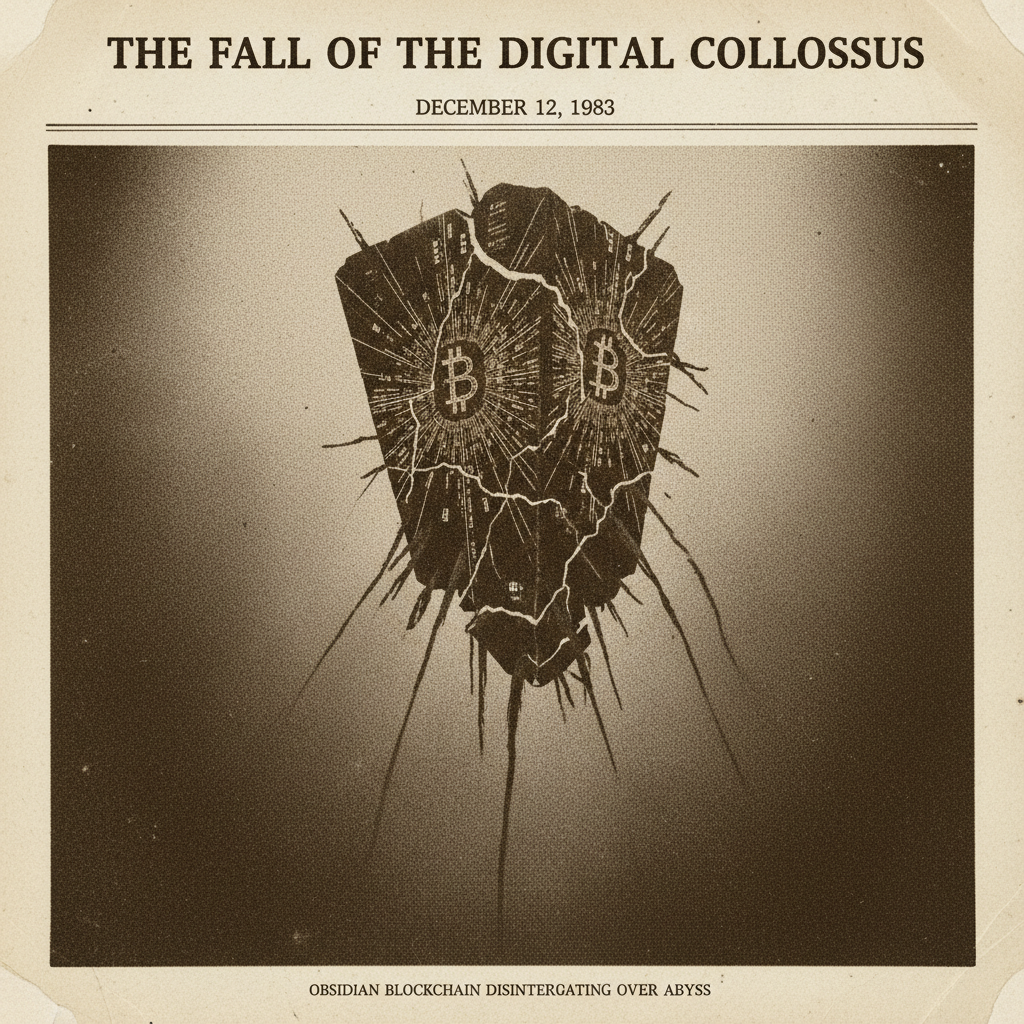
**Bottom Line Up Front:** Bitcoin faces a high-impact quantum computing threat exacerbated by governance paralysis, with 6-7M BTC in vulnerable addresses potentially exposed by the 2030s. The primary risk isn't technological feasibility but political inability to coordinate migration of dormant coins, creating systemic sell-pressure risks.
**Threat Identification:**
- Quantum computers capable of breaking ECDSA/Schnorr signatures (estimated at 2,300-126,000 qubits) could unlock dormant BTC stored in non-quantum-resistant addresses[1]
- 32.4% of Bitcoin supply hasn't moved in 5+ years, with 16.8% dormant over a decade[2] - representing both lost coins and long-term holdings
- Adversaries may already be executing "harvest now, decrypt later" attacks on public blockchain data[3]
**Probability Assessment:**
- *Near-term (0-5 years):* Low probability due to current qubit limitations (1,000 physical qubits vs. required 2,300+ logical qubits)[4]
- *Mid-term (5-15 years):* Medium-high probability as IBM/Microsoft/Google target million-qubit machines[5], with AI potentially accelerating timelines[6]
- *Long-term (15+ years):* High probability barring major quantum error-correction breakthroughs
**Impact Analysis:**
- *Market Impact:* Sudden liquidation of 6M+ BTC (≈30% of supply) could crash prices and destabilize crypto markets[7]
- *Systemic Risk:* Loss of confidence in Bitcoin's immutability premise if dormant coins reactivate
- *Geopolitical:* Nation-states (e.g., El Salvador splitting holdings[8]) and institutions (BlackRock ETF filings[9]) already adjusting strategies
**Recommended Actions:**
1. *Individual:* Migrate funds to quantum-resistant wallets (BIP-360 standards) immediately
2. *Developers:* Accelerate post-quantum Bitcoin implementation despite governance challenges
3. *Institutions:* Model portfolio impacts of potential 30% supply shock
4. *Community:* Establish emergency migration protocols for dormant addresses
**Confidence Matrix:**
- *Threat Existence:* High confidence (cryptographic vulnerability proven)
- *Timeline:* Medium confidence (expert estimates vary 2028-2060)
- *Governance Response:* Low confidence (Check notes "no chance" of consensus[10])
- *Market Impact:* High confidence (basic supply-demand economics)
---
[1] Researchers estimate 126,000 physical qubits could break ECDSA
[2] 32.4% of Bitcoin unmoved in 5+ years per on-chain data
[3] Cybersecurity specialists warn of "harvest now, decrypt later" attacks
[4] Adam Back cites current qubit limits delaying threat 20-40 years
[5] Major tech firms targeting million-qubit machines within decade
[6] Solana's Yakovenko warns AI could cut quantum timelines in half
[7] 6-7M BTC vulnerable in older address formats per Naoris Protocol
[8] El Salvador split 6,284 BTC across 14 addresses in September 2025
[9] BlackRock mentioned quantum threats in Bitcoin ETF filings
[10] James Check: "no chance" of consensus to freeze old coins
—Dr. Octavia Blythe
Dispatch from Stabilization Phase E3
Published December 1, 2025