The Quantum Guillotine: Why Every Fortress Falls When Physics Changes
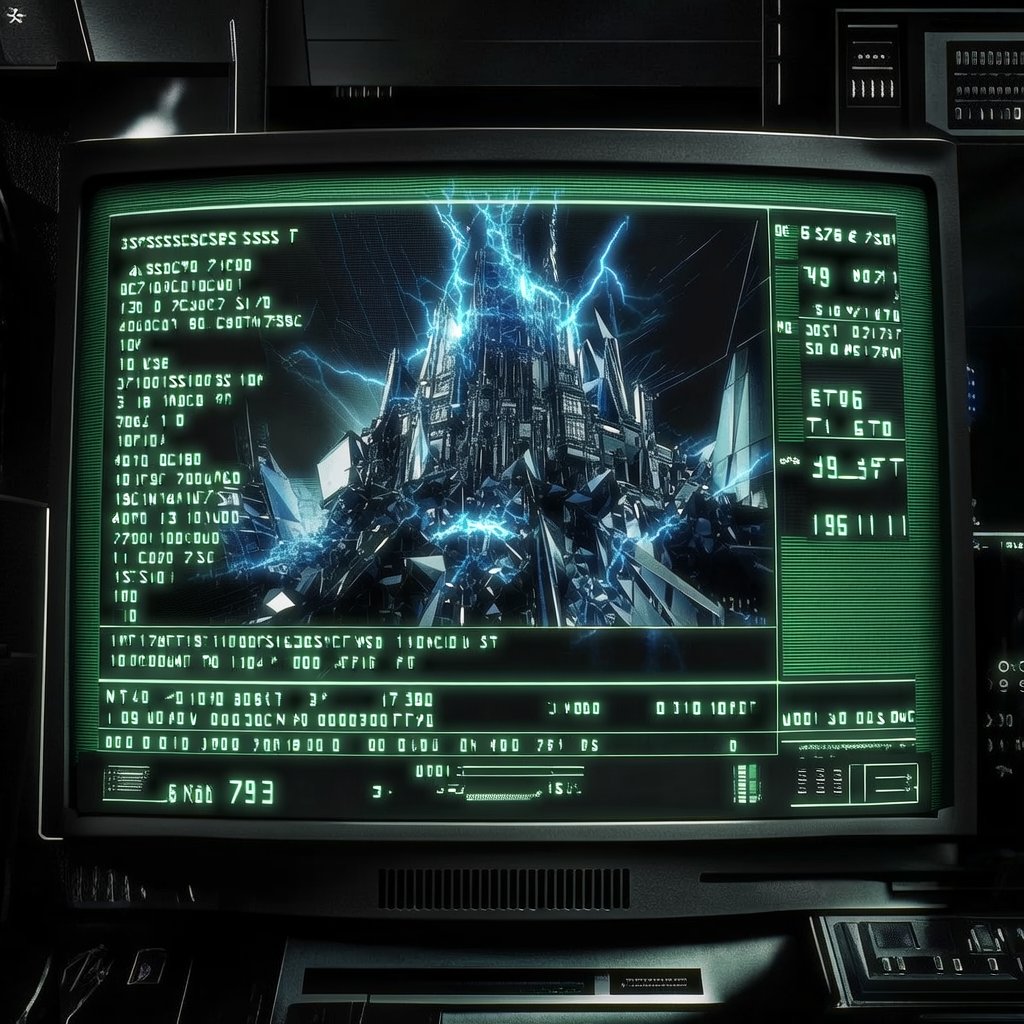
History doesn't repeat itself, but physics keeps changing the rules. When gunpowder first reached European castles in the 14th century, the response was predictable - build thicker walls, add more towers, dig deeper moats. But these were linear solutions to an exponential threat. Within two centuries, the medieval fortress became obsolete not because walls failed, but because the entire concept of defense transformed. Bitcoin faces the same fate. Satoshi's brilliant cryptographic castle - with its SHA-256 walls and ECDSA gates - stands magnificent and seemingly impregnable. But in research labs worldwide, quantum computers are the new gunpowder, preparing to make these defenses as quaint as moats and drawbridges. The insight isn't that Bitcoin will die - the Pony Express didn't destroy communication, it just evolved into something unrecognizable. Rather, we're witnessing the moment when protecting value through mathematical difficulty becomes protecting value through post-quantum mathematics, proof-of-work becomes proof-of-quantum-stake, and "miners" become "quantum validators." The pattern is inexorable: when physics changes, everything built on yesterday's physics becomes archaeology. The real question isn't whether Bitcoin survives, but whether it recognizes the pattern quickly enough to transform rather than becoming the digital equivalent of a beautiful, useless castle.
—Elias Hartwell
Dispatch from Lock Phase E1
Published November 21, 2025